
Imporant Battles in Islam
These battles were defensive, political, and survival-based, not about spreading Islam by force. Many happened when the early Muslim community was under existential threat.
Quick Summary
| Event | Core Theme |
|---|---|
| Badr | Faith over odds |
| Uhud | Discipline & consequences |
| Trench | Strategy & patience |
| Hudaybiyyah | Peace over pride |
| Mecca | Mercy in victory |
| Hunayn | Humility after success |
| Tabuk | Commitment without reward |
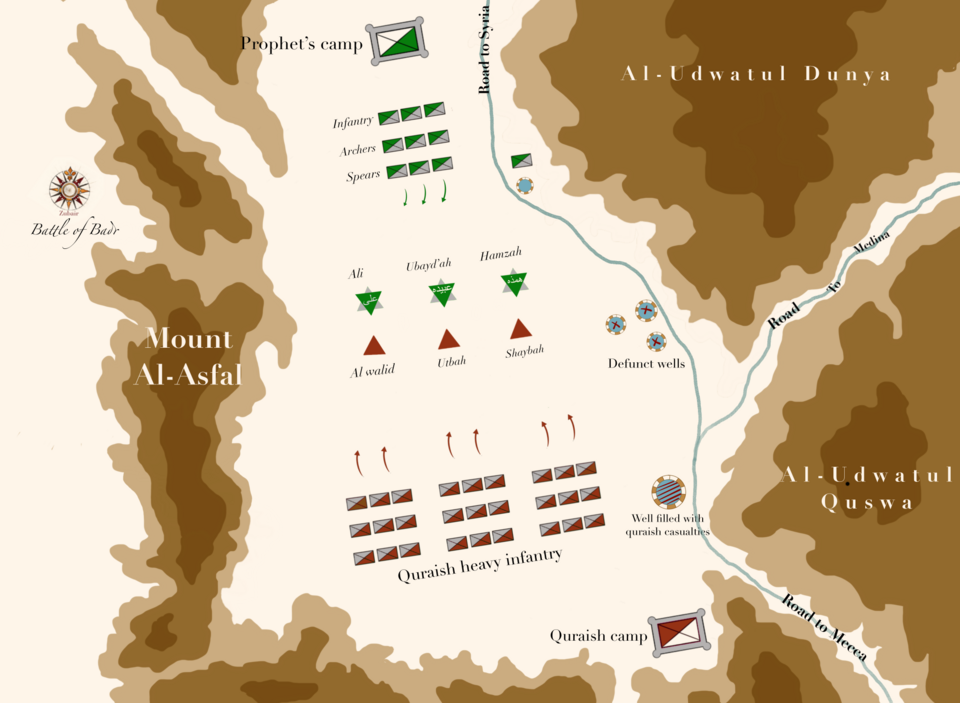
Battle of Badr (2 AH / 624 CE)
The first major battle in Islam
Muslims: ~313
Quraysh army: ~1,000
Muslims were outnumbered and under-equipped
Why it matters:
It established the Muslim community as a legitimate force
Victory came despite material disadvantage
Emphasized faith, discipline, and leadership
Key lesson:
Success isn’t based on numbers alone—integrity and unity matter.
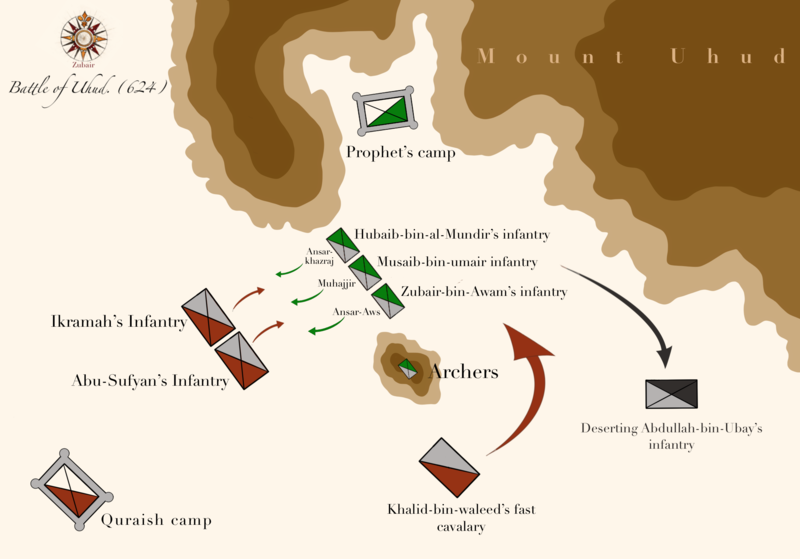
Battle of Uhud (3 AH / 625 CE)
A painful lesson in discipline
Muslims initially had the advantage
Some archers left their positions early
The battle turned against the Muslims
Why it matters:
The Prophet ﷺ was injured
Muslims experienced loss and grief
Key lesson:
Even righteous causes fail when instructions and discipline are ignored.
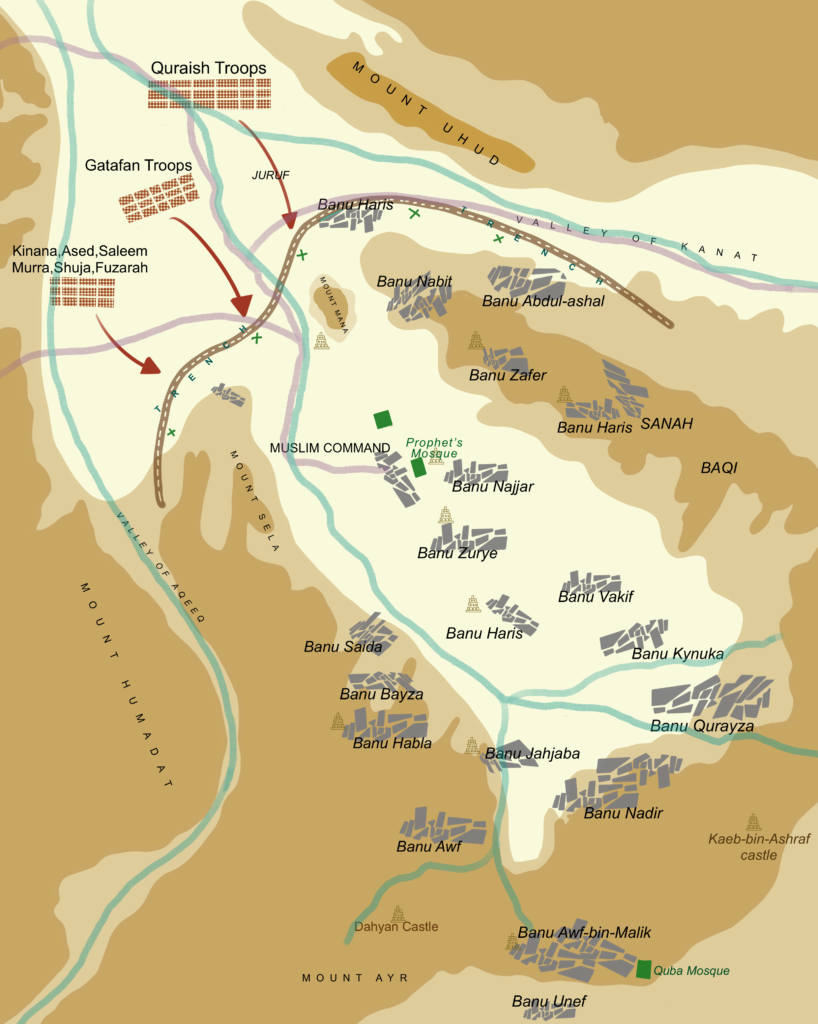
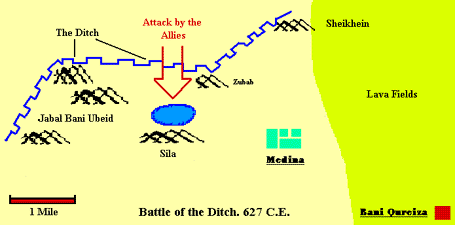
Battle of the Trench (Khandaq) (5 AH / 627 CE)
A battle won without direct combat
A coalition of tribes marched on Madinah
Muslims dug a trench—an unfamiliar tactic in Arabia
The siege failed due to strategy and internal division among attackers
Why it matters:
Innovation and consultation saved the community
Muslims avoided massive bloodshed
Key lesson:
Strategy, patience, and creativity can outperform brute force.
Treaty of Hudaybiyyah (6 AH / 628 CE)
A “victory” without a battle
Muslims sought peaceful pilgrimage
Treaty terms seemed unfavorable at first
Many companions were frustrated
Why it matters:
Led to massive growth in Islam
Allowed safe dialogue and alliances
Key lesson:
Peace can be more powerful than confrontation.
Conquest of Mecca (8 AH / 630 CE)
The most misunderstood event
Mecca surrendered with minimal resistance
The Prophet ﷺ declared general amnesty
Former enemies were forgiven
Why it matters:
No mass revenge
No forced conversions
Idols removed, but people were spared
Key lesson:
True victory is shown through mercy, restraint, and forgiveness.
Battle of Hunayn (8 AH / 630 CE)
A test after success
Muslims had large numbers for the first time
Initially overconfident
Almost lost before regrouping
Why it matters:
Success tested humility
Reinforced reliance on God, not numbers
Key lesson:
Arrogance weakens even strong communities.
Battle of Tabuk (9 AH / 630–631 CE)
A campaign without fighting
Faced potential Byzantine threat
Long journey, extreme heat, scarce resources
No actual battle occurred
Why it matters:
Exposed sincerity vs hypocrisy
Tested commitment under hardship
Key lesson:
Faith is proven in endurance, not just confrontation.